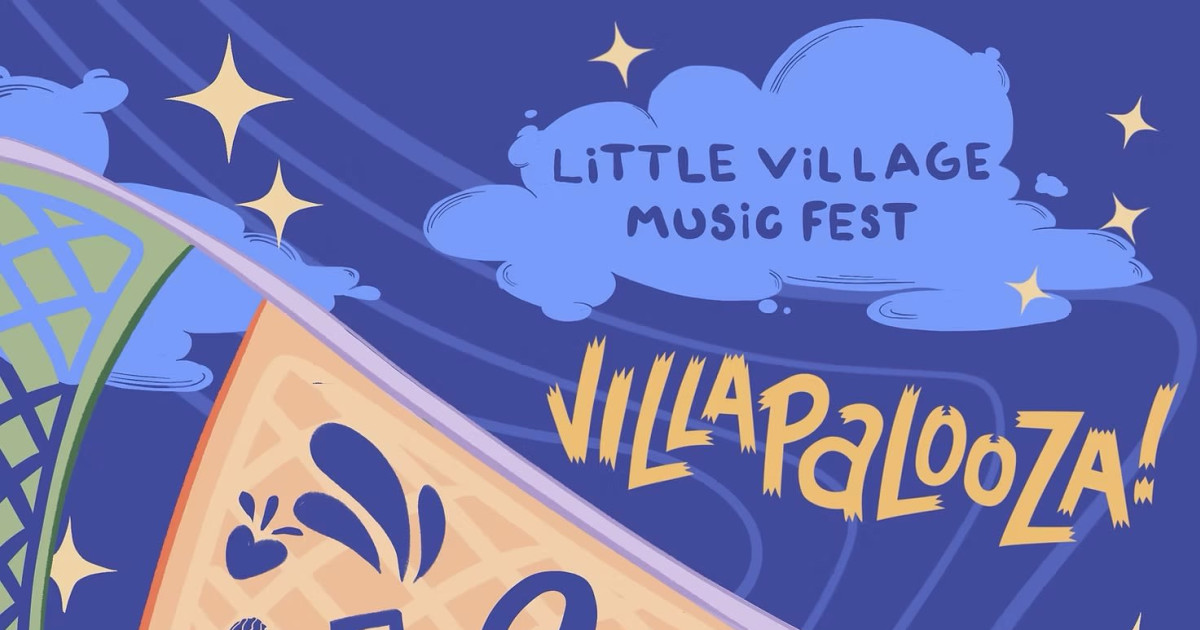
Villapalooza happened on August 22, one day, free, in La Villita Park at 2800 South Sacramento. It is volunteer-run. It books local talent and puts youth entrepreneurship on the bill alongside the music. It is, by design, the opposite of every other festival in this city’s summer.
Consider what it is not. It does not fly in a headliner. It does not charge $329 for four days. It does not fence a public park for a private promoter, because the people running it are from the neighborhood the park serves. In a summer when Douglass Park residents spent September demanding that for-profit festivals leave their park, Villapalooza is a standing answer to the question of what the alternative looks like: it looks smaller, it looks free, and it books the bands who live there.
The Park Is a Remediated Superfund Site
The ground deserves attention. La Villita Park sits on remediated industrial land — a former Superfund site in a neighborhood that has absorbed a great deal of Chicago’s industrial legacy, and that had to organise for years to get open space at all. Little Village did not receive that park. It extracted it.
Which changes what a festival in it means. Every other event in this package uses parkland that was already there and mostly treats it as a venue. Villapalooza uses a park the neighborhood fought to create, and programmes it with the neighborhood’s own performers. The relationship between the event and the ground runs the other direction.
The Summer It Happened In
It also happened in the summer that Little Village had. The Cinco de Mayo parade was cancelled for a second consecutive year over fears of immigration raids, after 40 years. The 26th Street Parade in September proceeded with community groups monitoring the route for federal agents. Fiesta del Sol, a mile and a half east in Pilsen, ran its 54th year with trained response teams and know-your-rights sessions for vendors.
A free all-day gathering in a Little Village park in August 2026 was therefore not a neutral act, and the volunteers who put it on knew that. The youth-vendor component reads differently in that light too. Handing a table to a teenager from the neighborhood, in public, in that specific August, is a decision about who gets to be visible.
Details sit on the festival’s own site and on Do312. There is no press office, because there is no staff.
Every festival in this city says it is community-driven somewhere in its marketing copy. This one is run by volunteers, costs nothing, books the block, and sits on land the block had to win. The distinction is not rhetorical and it cost somebody their August.
Cover image: Via Do312