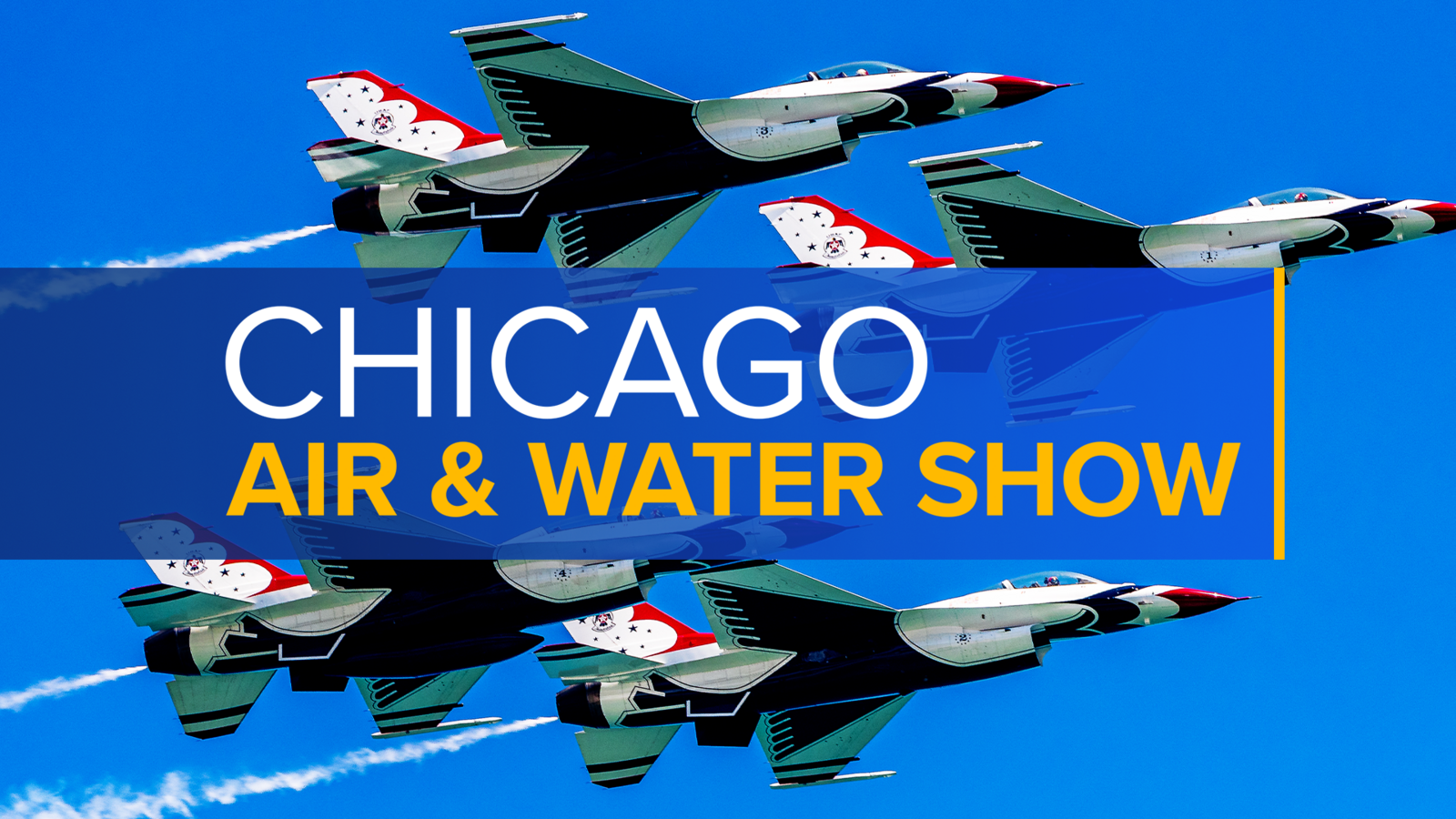
The sixty-seventh Chicago Air and Water Show was delayed by rain on both days of its run. Saturday lost roughly two hours. Sunday was pushed back as well and compressed into a noon-to-five window to accommodate the full programme. The US Air Force Thunderbirds and the US Army Golden Knights headlined, over a lakefront centred on North Avenue Beach, admission free.
Families had staked out positions on the sand from 6:30 in the morning on Sunday. They stayed. the published calendars collected the sentiment, and it was notably mild — one spectator was disappointed when it started raining, another was disappointed but understood that it is genuinely dangerous to perform in that weather. A regular attendee noticed the crowd was thinner than usual, observing that normally one cannot move on the sand and the weather had dispersed some people.
Three Festivals, One Weather System
It was a wet Chicago summer and three major events were defined by it, which produced an unintentionally instructive experiment. Identical rain, three entirely different collective responses.
At Lollapalooza a four-hour delay produced a stranger organising a mud-wrestling event from her phone that reached a hundred thousand views before she arrived. At Riot Fest the same weather produced graffiti, a press conference, named residents on the record and a year-long restoration watch. At the Air and Water Show the crowd sat on the beach for two hours and then applauded the Thunderbirds.
One cannot read that spread as being about rain. It is about what each event’s audience believes it is owed. A ticketed festival on rented parkland generates grievance. A neighbourhood watching its park get destroyed generates organising. A free show on a public beach generates patience.
The Thing Nobody Writes
Which brings up the subject this event reliably avoids. A military airshow is a demonstration of armed force presented as free family entertainment, and it is among the most genuinely beloved things the city does. Both halves of that sentence are true and they sit together uncomfortably in 2026.
The honest position is not to pretend the tension away in either direction. The Thunderbirds are extraordinary to watch and the precision is real. It is also a recruitment and prestige exercise conducted over a beach full of children, in a summer when federal enforcement operations were reshaping which Chicagoans felt able to attend public gatherings at all. Those two facts did not touch each other on the sand in August, and the distance between them is worth naming.
The city’s own page carries the programme. Note one practical advantage for anyone illustrating this: military public-affairs imagery is generally a US Government work, which makes this the only major event of the Chicago summer that an independent outlet can illustrate properly for nothing.
Ignore the beach, which is the worst vantage point and the most crowded. Find a position north along the lakefront path where the aircraft turn, and stay there through one full pass without raising a phone. The performance is a question of geometry, and geometry does not survive a nine-second video.
Cover image: Via abc7chicago.com