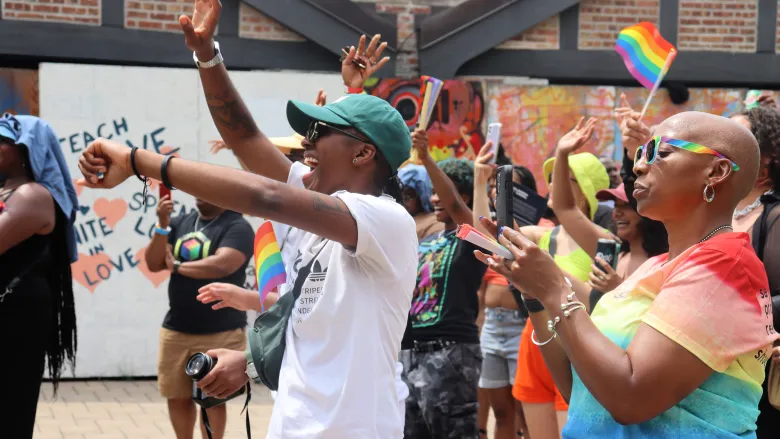
Pride South Side held its eighth annual celebration at the DuSable Black History Museum on July 5, free. It is a Black LGBTQ+ event, it happens on the South Side, and it is scheduled deliberately after the Northalsted parade has finished.
Every element of that description is a decision, and taken together they make this the most under-covered Pride story in Chicago.
The Geography of Pride in a Segregated City
Chicago’s official Pride happens in Northalsted, on the North Side, in a neighbourhood whose commercial gay identity was built substantially around white gay men. That is not an accusation, it is a description of how the strip developed, and it has consequences for who feels addressed by a parade that runs down it.
A Black Pride on the South Side is the answer to a practical problem: a queer Black Chicagoan on the South or West Side has to travel a considerable distance, into a neighbourhood that is not theirs, to attend the city’s main Pride event. Pride South Side removes that journey.
The venue reinforces it. Holding the event at the DuSable — the oldest independent Black history museum in the country — places Black queer life inside the institution that holds Black Chicago’s historical record, rather than adjacent to it. That is a curatorial argument as much as a logistical one.
Why the Week Later Matters
The scheduling is the sharpest part. A separate date means nobody has to choose, and it means the event is not positioned as an alternative or a spillover. It stands on its own week.
It also means the city gets two Prides and mostly notices one. The the parade in 2026 was extensive and good, and rightly focused on the turn back toward protest and the coalition between the Gay Liberation Network and Organized Communities Against Deportations. Pride South Side, in its eighth year, received a line in a listings page.
The same pattern runs through this whole summer. Washington Park also hosted the African Festival of the Arts over Labor Day weekend, in its 36th year, and the finish of the Bud Billiken Parade in August. Three significant events on one piece of South Side parkland, and coverage that sorted itself by distance from the Loop.
Eight years of a free Black Pride at the DuSable. Why it exists is the article, and the answer is a map of Chicago.
Cover image: User:TonyTheTiger / Wikimedia Commons (CC BY-SA 3.0)