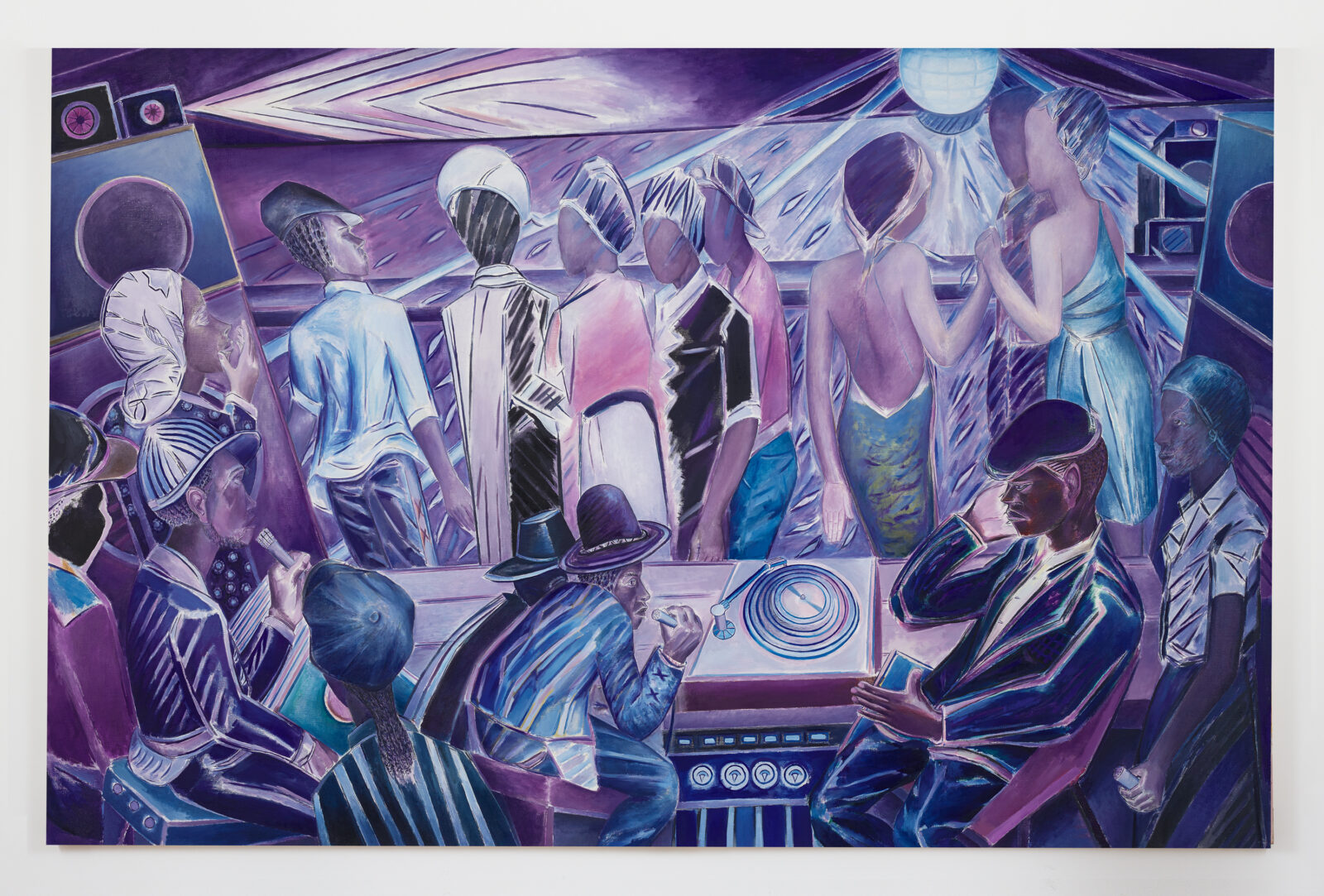
Museums handle popular music badly, and the failure is always the same: the work is displayed as memorabilia under glass, with headphones, in a room asking for reverence. Dancing the Revolution: From Dancehall to Reggaetón, at the Museum of Contemporary Art from April 14th through September 20th, declined that arrangement and built the show around a towering wooden speaker stack, which is an object that exists to move air.
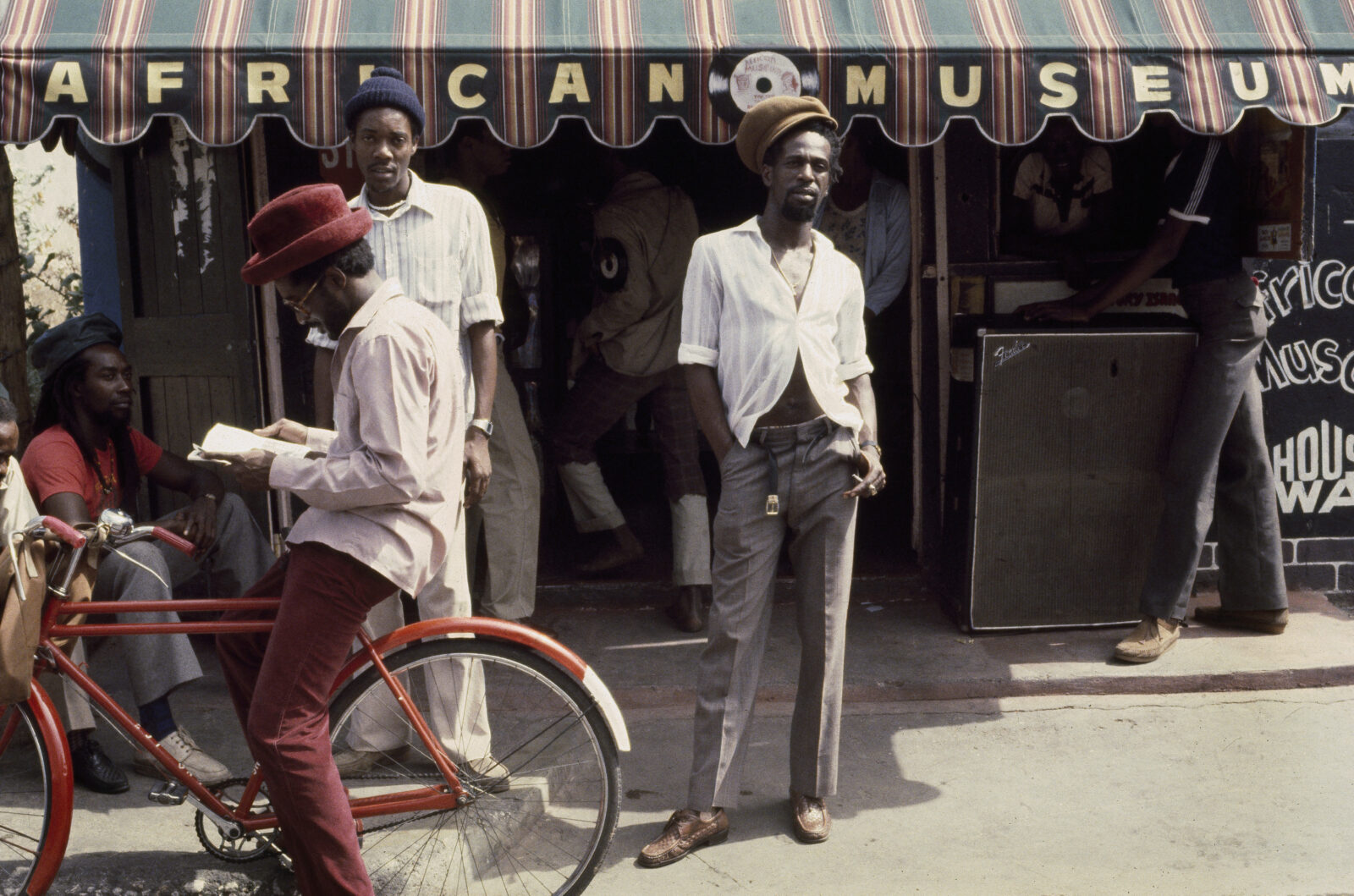
One must occasionally allow that a museum has understood its subject. More than thirty-five artists, across photography, painting, installation and archival material, tracing the visual and political formation of two genres that most institutions treat as nightlife rather than as history.
What Was Installed
Plywood. Speaker cloth. Vinyl. Photographic print at mural scale. Fabric. Sound, continuously, as a material rather than as an accompaniment.
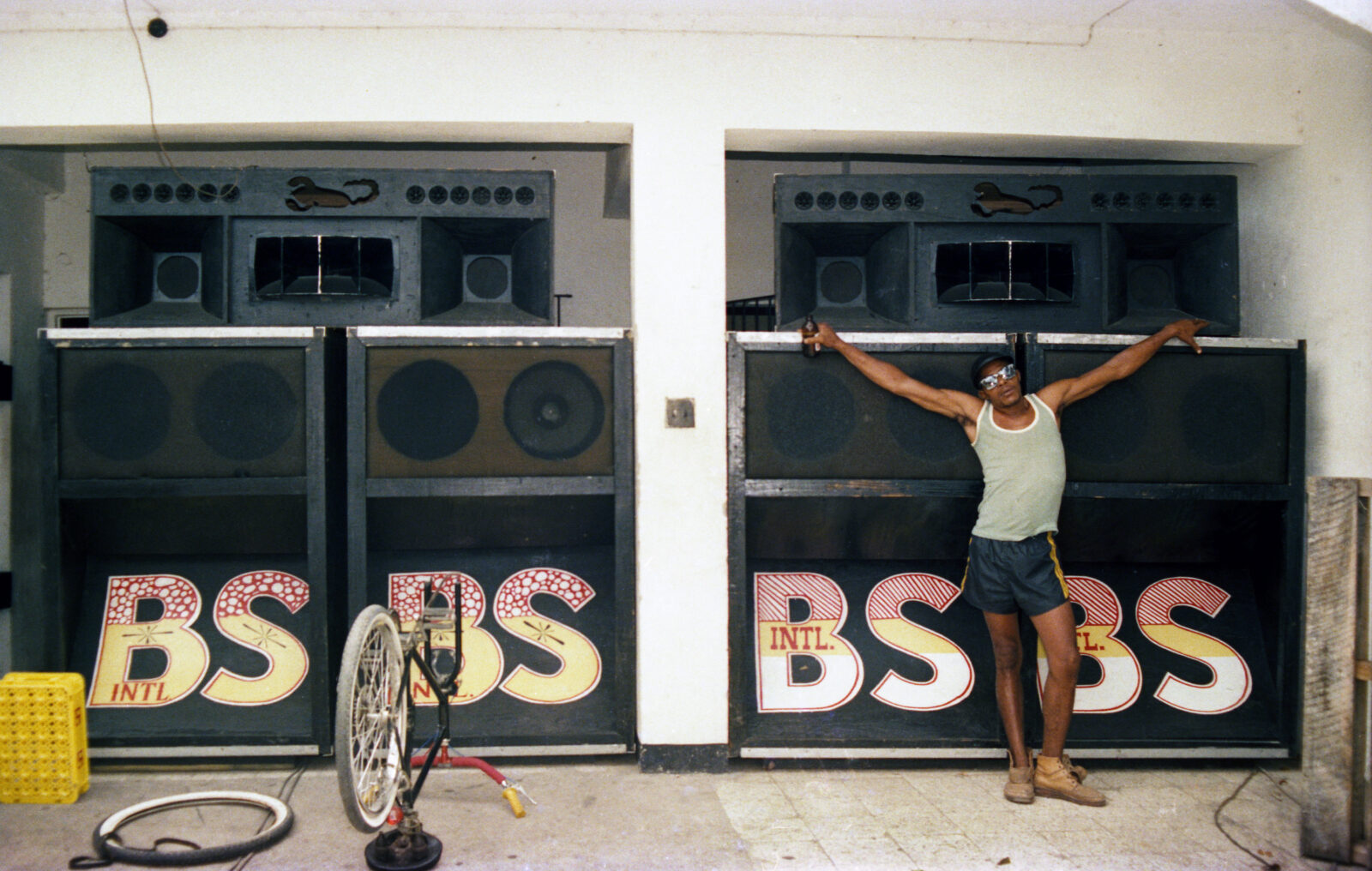
The speaker stack is the curatorial argument in physical form: a sound system is not equipment that plays culture, it is the culture, and dancehall is unintelligible without the specific social technology of the stack and the people who built and carried them. Jean-Michel Basquiat's inclusion is the institutional reassurance — the name that justifies the show to a board — and it is the least interesting thing in it.
Final days of the exhibition
From the postGet swept up in the music, energy, and history of Dancing the Revolution this week. Join us for one of the exhibition’s last on Sunday at 2 pm. These 35-minute experiences are free with admission. For an even deeper…
Who The Museum Let In
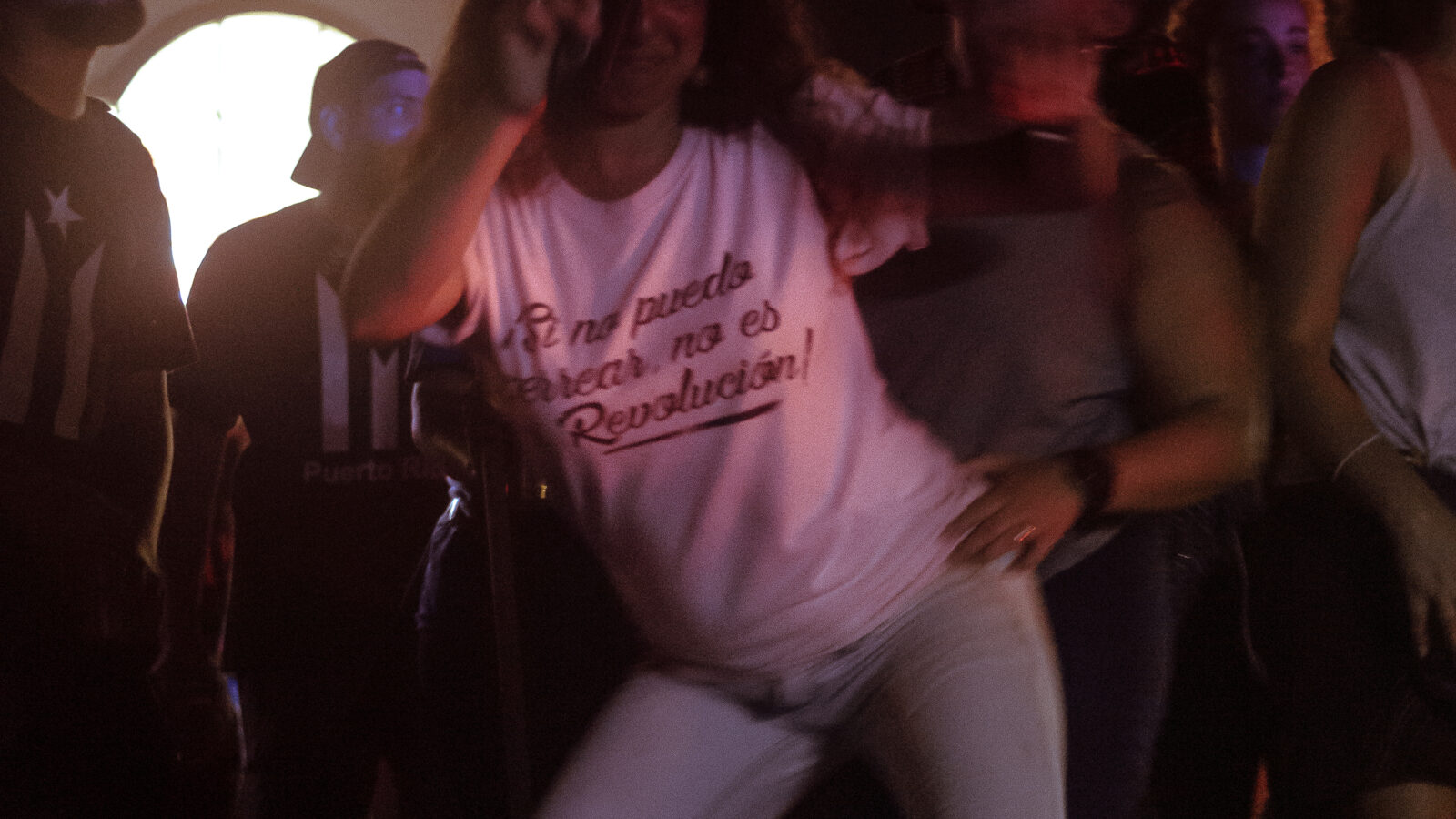
The MCA ran after-hours programming around the show, including a Prime Time event and a launch hosted jointly with Gertie — the same platform that programmes Chicago Exhibition Week — which is how a Streeterville museum reaches an audience that does not otherwise come to Streeterville. The institution's own economics sit awkwardly beside the material: a show about music made by poor people in Kingston and San Juan, staged four blocks from the Magnificent Mile by an institution whose membership tier runs into the seventies of dollars. The exhibition did not pretend to resolve that and was better for not trying.
After-hours launch, Gertie x MCA
The artist Justin White Foreva, who is legally blind, documented his visit on opening day. A show whose central object is a speaker stack is one of the very few exhibitions in this city that does not primarily reward sight, and nothing in the museum's own material noticed that.
Opening day
What Bodies Did In The Galleries
They moved. Not dancing, mostly, but the small involuntary weight-shift that a loud low frequency produces in a standing person, and it happened throughout the room rather than at the stack. People photographed the speaker stack and not the photographs. At the after-hours events the galleries were louder than the museum's own guards appeared to expect, and nobody intervened.
This was not an exhibition about music. It was an exhibition that agreed to be played.
Cover image: Museum of Contemporary Art Chicago / Wikimedia Commons